Common Myths About House Painting Debunked
Introduction to House Painting Myths
House painting is a popular home improvement project, yet many misconceptions surround the process. These myths can lead to poor decisions, wasted money, and subpar results. In this post, we aim to debunk some of the most common myths about house painting, providing clarity for your next project.
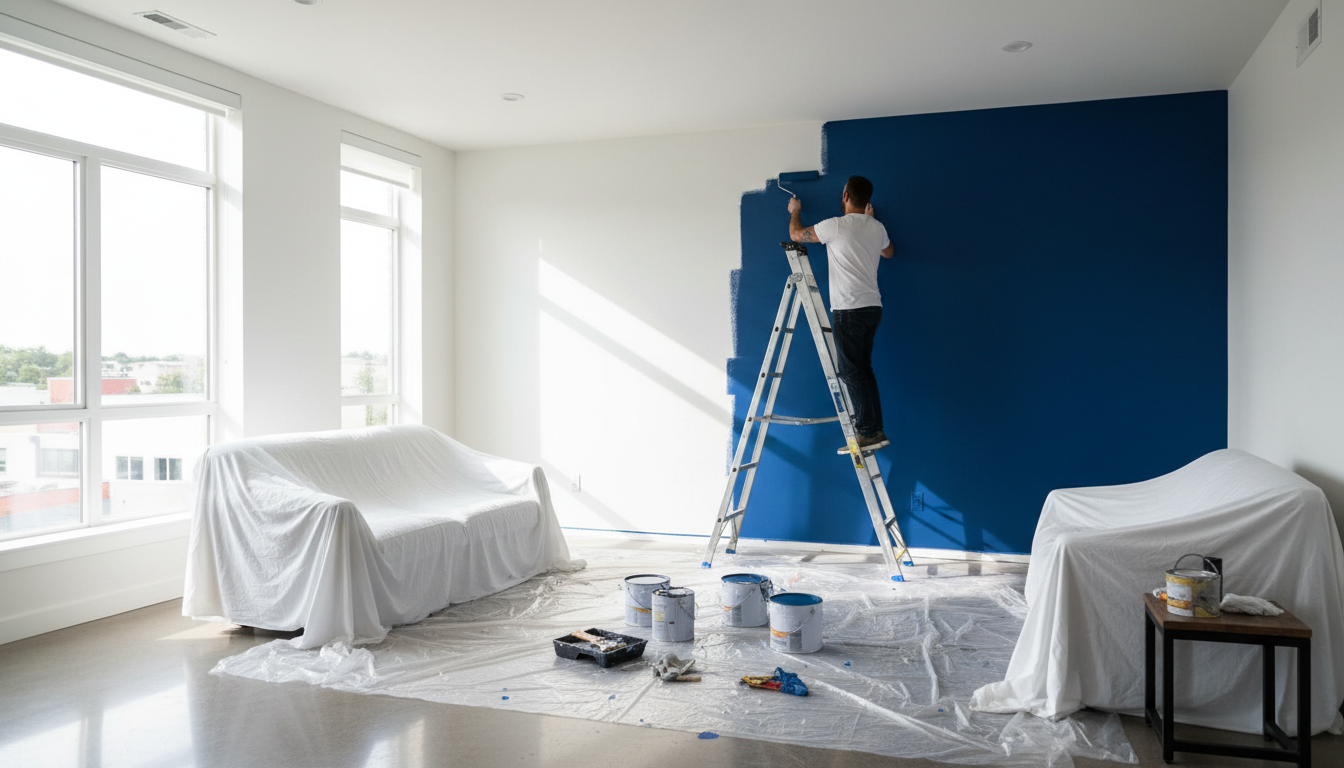
Myth 1: All Paints Are the Same
One of the most prevalent myths is that all paints are created equal. This is far from the truth. Paints vary in quality, finish, and suitability for different surfaces. Choosing the right paint involves considering factors like durability, weather resistance, and ease of application. Investing in high-quality paint can save you from frequent touch-ups and fading colors.
Myth 2: You Can Skip the Primer
Another common misconception is that primer is optional. Primer is crucial for preparing the surface, ensuring better adhesion of the paint, and enhancing durability. Skipping this step can lead to uneven finishes and peeling paint over time. Always use a primer, especially on bare surfaces or when transitioning between different colors.
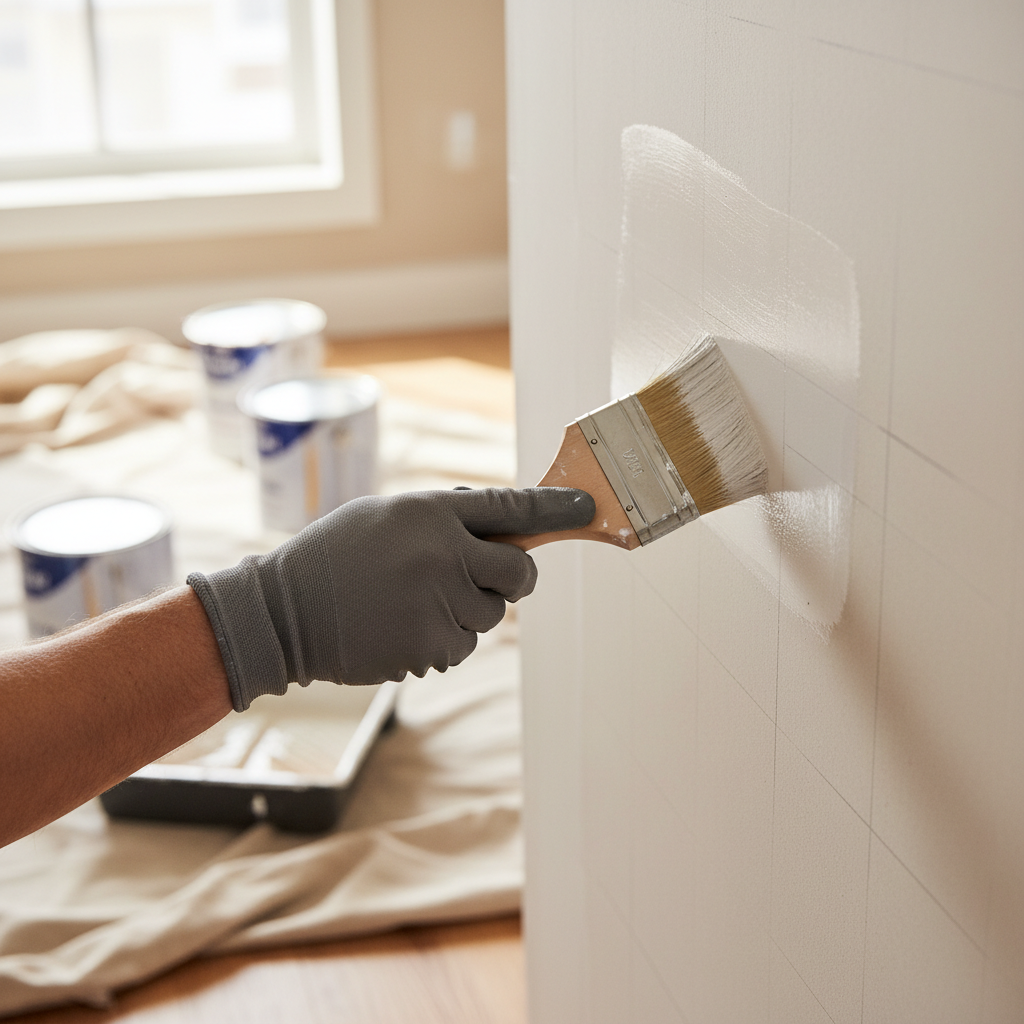
Myth 3: Dark Colors Make a Room Look Smaller
While it's true that dark colors can impact a room's perceived size, they don't always make a space feel smaller. Dark shades can add depth and coziness, creating a more inviting atmosphere. The effect of color depends on lighting, room size, and furniture arrangement. Don't shy away from using dark tones creatively.
Myth 4: Painting Is a Simple DIY Project
Many homeowners believe that painting is a straightforward DIY project. Although painting might seem easy, achieving professional results requires skill and experience. Factors like surface preparation, paint application techniques, and the choice of tools can significantly affect the outcome. Hiring a professional can ensure a flawless finish and save time.
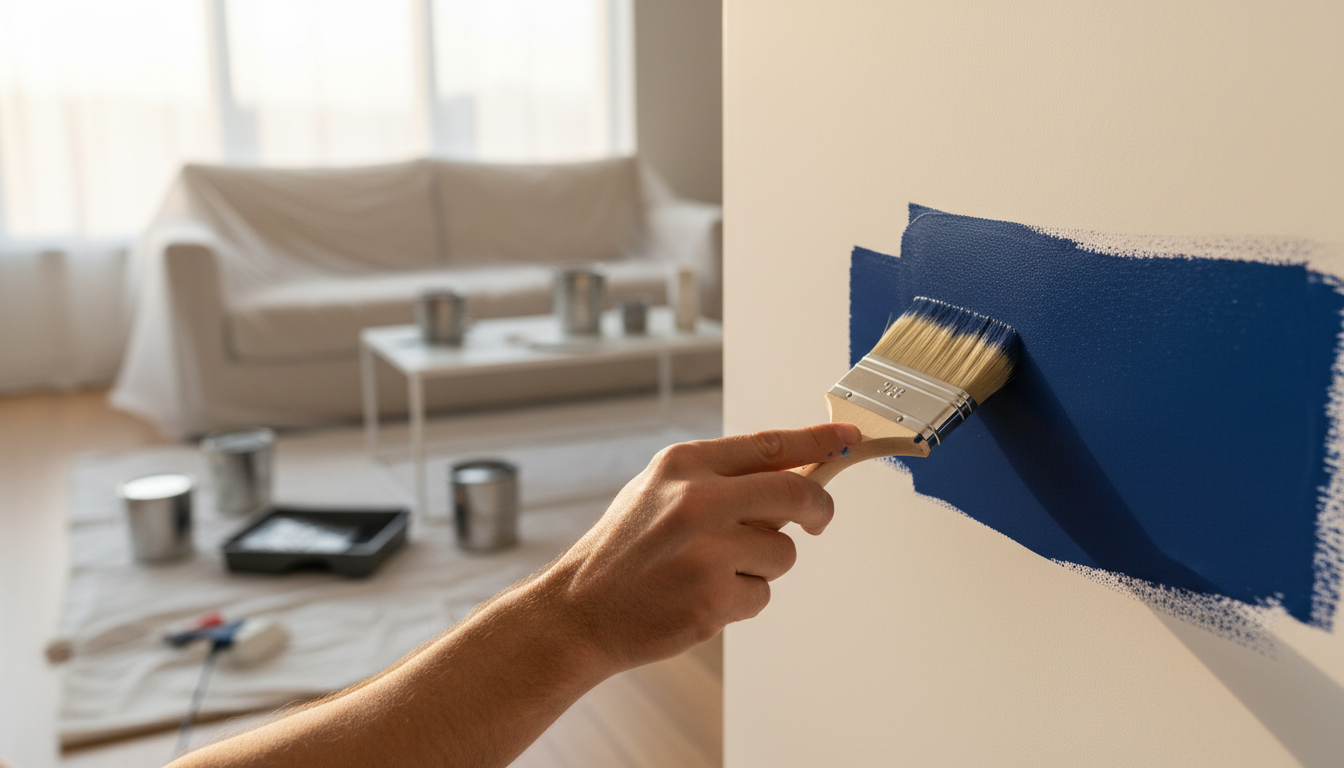
Myth 5: More Coats Mean Better Coverage
While applying multiple coats can enhance coverage, more isn't always better. The key is to follow the manufacturer's instructions regarding the number of coats required. Over-applying paint can lead to drips, uneven surfaces, and wasted materials. Patience and proper technique are essential for achieving a smooth, even finish.
Conclusion: Making Informed Decisions
Understanding the realities of house painting can lead to more informed decisions, resulting in a beautiful, long-lasting finish. By debunking these myths, you can approach your next painting project with confidence and clarity. Remember, a well-executed paint job can transform your home, adding value and aesthetic appeal.